Fleet management services encompass a range of comprehensive solutions and support systems designed to streamline the management and operation of a fleet of vehicles. These services are often employed by businesses or organizations that rely on a fleet of vehicles for various purposes, such as transportation, delivery, logistics, or field services. Fleet management services leverage technology, data, and specialized expertise to optimize the efficiency, safety, and overall performance of a vehicle fleet.
Fleet services refer to the comprehensive management and operation of a group of vehicles owned or operated by a company, organization, or government entity. These vehicles can include cars, trucks, vans, buses, and other types of vehicles used for various purposes such as transportation, delivery, or service. Fleet services involve a range of activities aimed at optimizing the performance, safety, and efficiency of the entire vehicle fleet.
Businesses that rely on a fleet of vehicles for their operations, such as transportation companies, delivery services, and field service organizations, often invest in fleet services to ensure that their vehicles are well-maintained, operate efficiently, and comply with regulatory requirements. Effective fleet services can contribute to cost savings, improved safety, and increased overall productivity.
Fleet management is a comprehensive approach to overseeing and controlling a company’s or organization’s fleet of vehicles. This involves a range of activities and responsibilities aimed at optimizing the efficiency, safety, and overall performance of the fleet. Here’s a more detailed breakdown of the key aspects of fleet management.

Key Components of Fleet Management Services:
- Vehicle Acquisition and Disposal:
- Selection: Choosing the right vehicles based on the organization’s needs, considering factors such as vehicle type, size, fuel efficiency, and specific operational requirements.
- Acquisition: Procuring vehicles through purchase or lease agreements.
- Disposal: Managing the retirement or sale of older vehicles, considering factors like depreciation and the introduction of newer, more efficient models.
- Maintenance and Repairs:
- Scheduled Maintenance: Establishing and adhering to a routine maintenance schedule for each vehicle to ensure optimal performance and prevent breakdowns.
- Unscheduled Repairs: Addressing unexpected mechanical issues promptly to minimize downtime and maintain fleet reliability.
- Service Records: Maintaining comprehensive records of each vehicle’s maintenance history to track repairs and plan for future maintenance needs.
- Fuel Management:
- Monitoring Consumption: Tracking fuel usage to identify trends and areas for improvement.
- Efficiency Measures: Implementing strategies to improve fuel efficiency, such as regular maintenance, driver training, and the use of fuel-efficient technologies.
- Alternative Fuels: Exploring and adopting alternative fuels or technologies to reduce environmental impact.
- Monitoring fuel consumption and implementing strategies to improve fuel efficiency, reduce costs, and minimize the environmental impact of the fleet.
- Driver Management:
- Training: Providing drivers with proper training on vehicle operation, safety protocols, and company policies.
- Monitoring Behavior: Using telematics and other technologies to monitor driver behavior, including speed, adherence to traffic laws, and compliance with company policies.
- Safety Programs: Implementing safety programs to reduce accidents and promote safe driving practices.
- Route Planning and Optimization:
- Optimizing Routes: Using technology to plan and optimize routes for efficiency, reducing travel time, fuel consumption, and overall operational costs.
- Real-time Adjustments: Making real-time adjustments to routes based on traffic conditions, weather, and other factors.
- Analyzing data to optimize routes, reduce travel time, and enhance fuel efficiency, ultimately leading to cost savings and improved service delivery.
- Telematics and Vehicle Tracking:
- GPS Systems: Utilizing GPS technology to track the real-time location of vehicles, monitor driving behavior, and gather data for analysis.
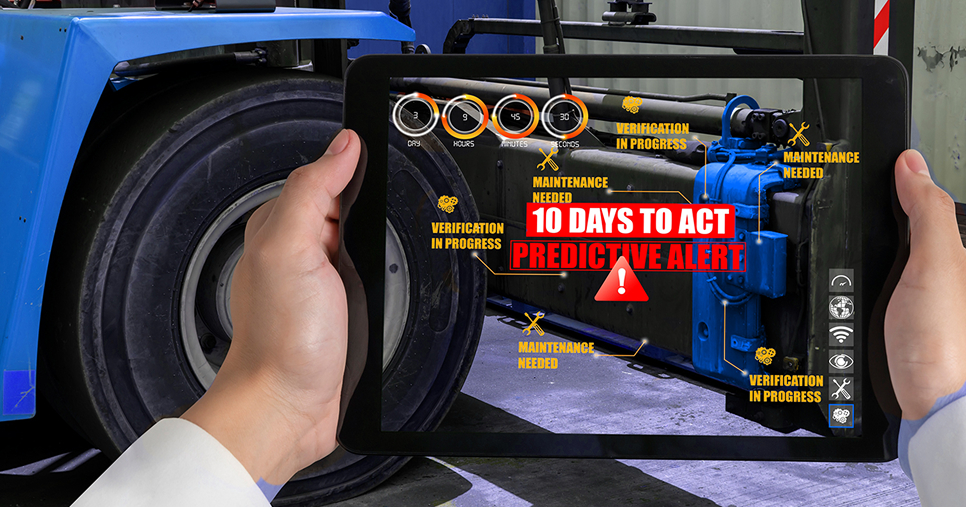
- Remote Diagnostics: Implementing telematics for remote monitoring of vehicle health, allowing for proactive maintenance and reducing the likelihood of unexpected breakdowns.
- Compliance and Regulations:
- Legal Requirements: Staying informed about and ensuring compliance with local, state, and federal regulations related to vehicle operation, safety standards, emissions, and other relevant factors.
- Documentation: Maintaining accurate and up-to-date records to demonstrate compliance with regulatory requirements.
- Cost Management:
- Expense Tracking: Monitoring and controlling various costs associated with fleet operations, including fuel costs, maintenance expenses, insurance, and other operational expenses.
- Budgeting: Developing and managing budgets for ongoing fleet operations and capital expenses.
- Technology Integration:
- Fleet Management Software: Implementing specialized software solutions to streamline and automate fleet management tasks, such as scheduling maintenance, tracking vehicles, and analyzing performance data.
- Connectivity Solutions: Exploring and adopting technologies that enhance communication and connectivity within the fleet, including IoT devices and data-sharing platforms.
- Vehicle Tracking and Telematics:
- Utilizing GPS technology and telematics systems to monitor and track the real-time location, speed, and performance of each vehicle in the fleet.